
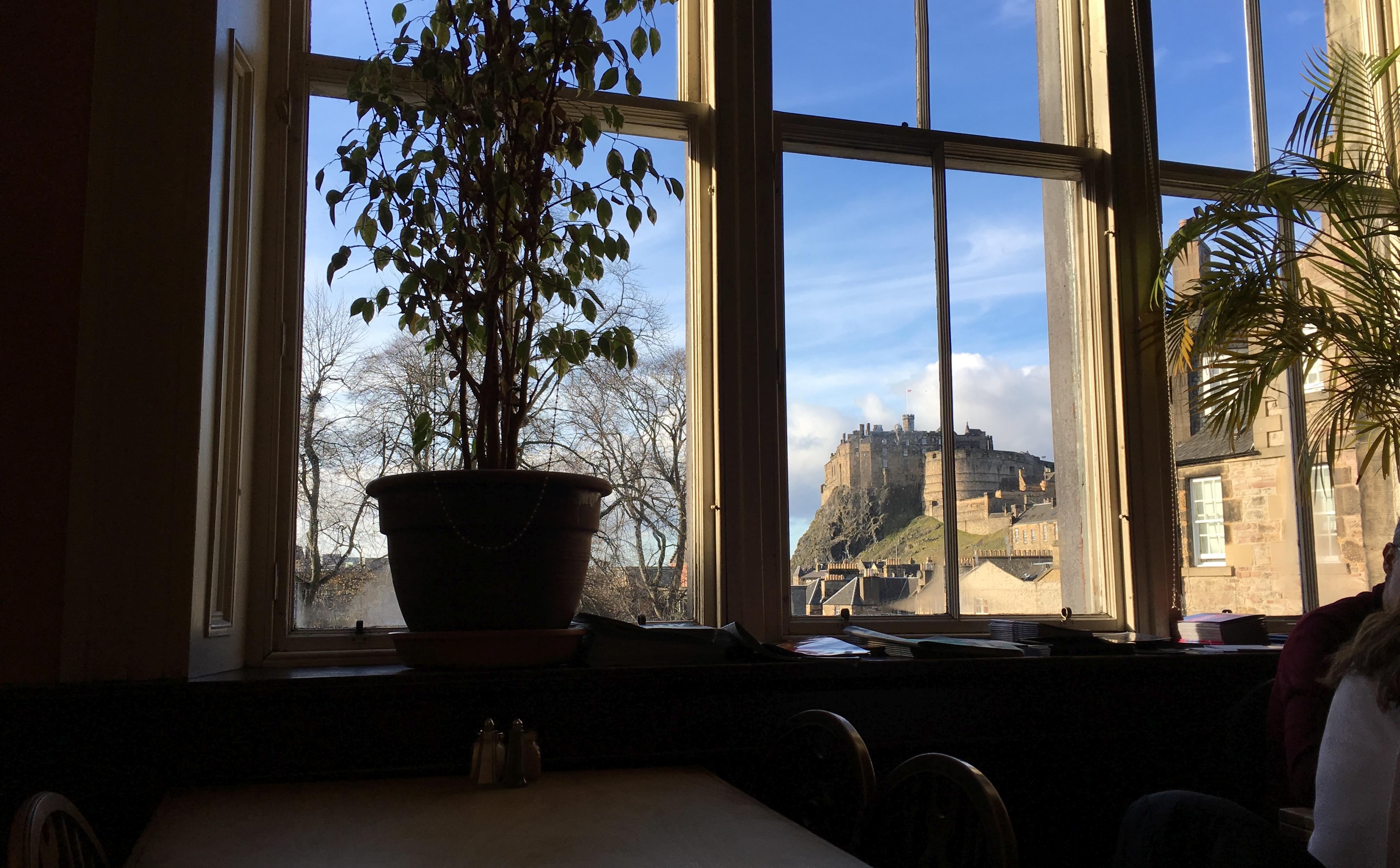
Image. Photograph. 8 November 2018. Edinburgh Castle through the window at the Elephant House, Edinburgh, Scotland. Photographer: Phyllis Zumwalt, personal collection.
Top 10 Historic Sites in Edinburgh for History Buffs
Edinburgh, Scotland’s capital, offers an extraordinary journey through time with its remarkably preserved historic sites spanning multiple centuries. This guide highlights the must-visit locations for history enthusiasts, complete with historical context and practical visitor information.
For those of you interested in genealogy research, be sure and visit the National Records of Scotland (NRS). Many of these records are provided online by ScotlandsPeople.
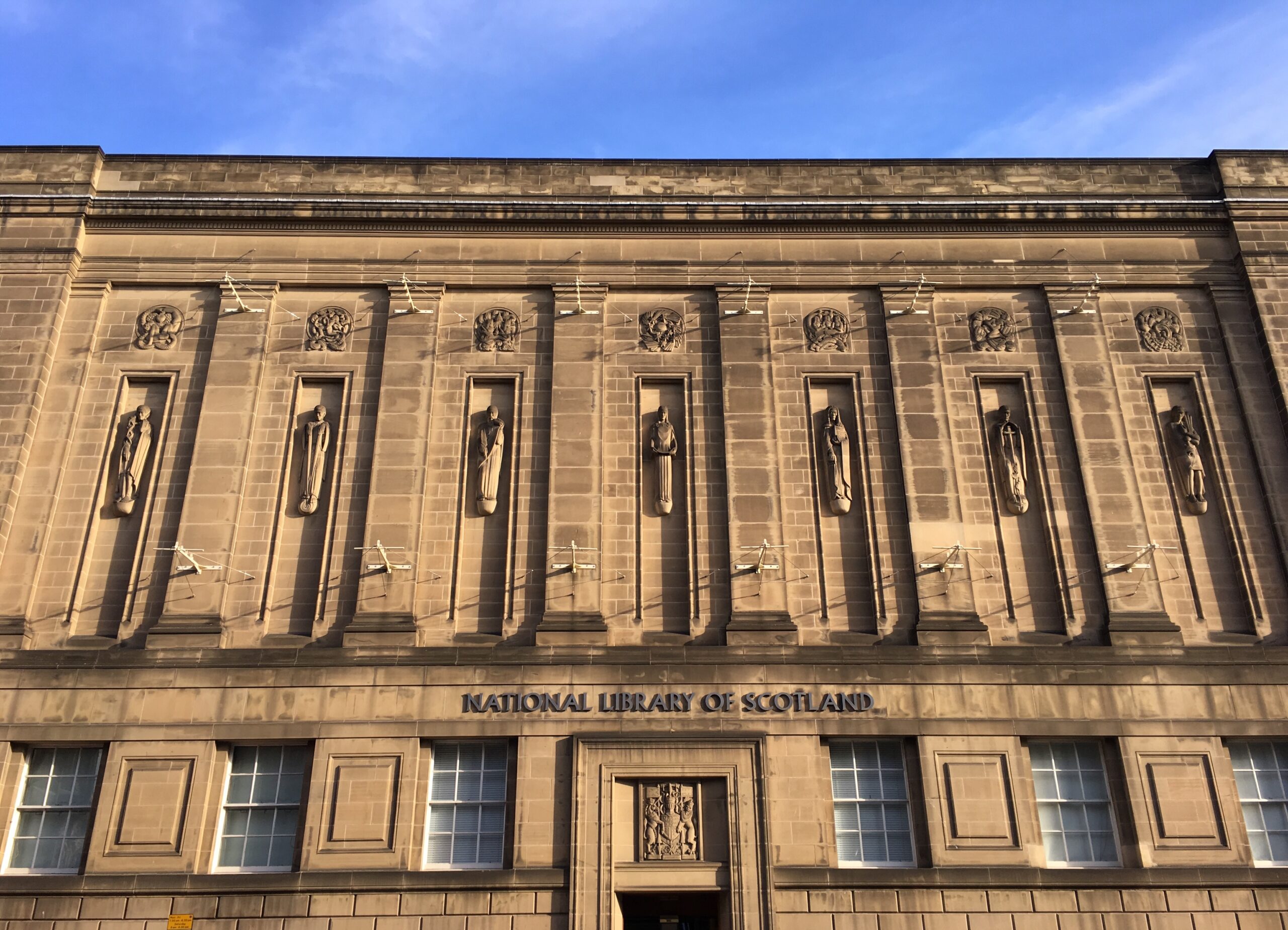
Before reviewing the sites below, be sure and review the National Library of Scotland (NLS) (below) at George IV Bridge and their historic map of Edinburgh. Two other sites to research are ScotlandsPlaces (Edinburgh), and Gazetteer for Scotland. When you arrive to the Old Town coming up from the train station, you may just hear the lovely sounds of bagpipes!
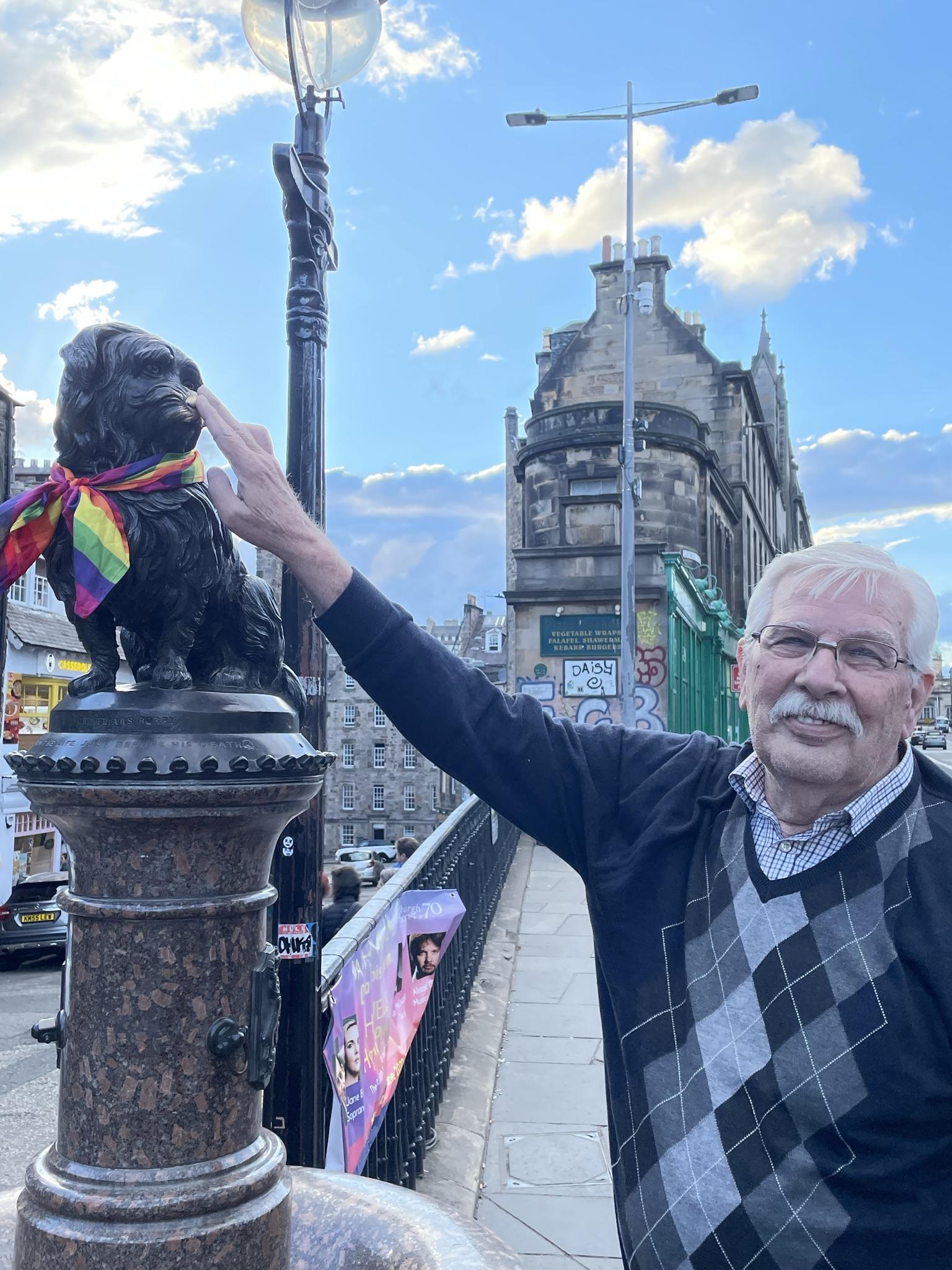
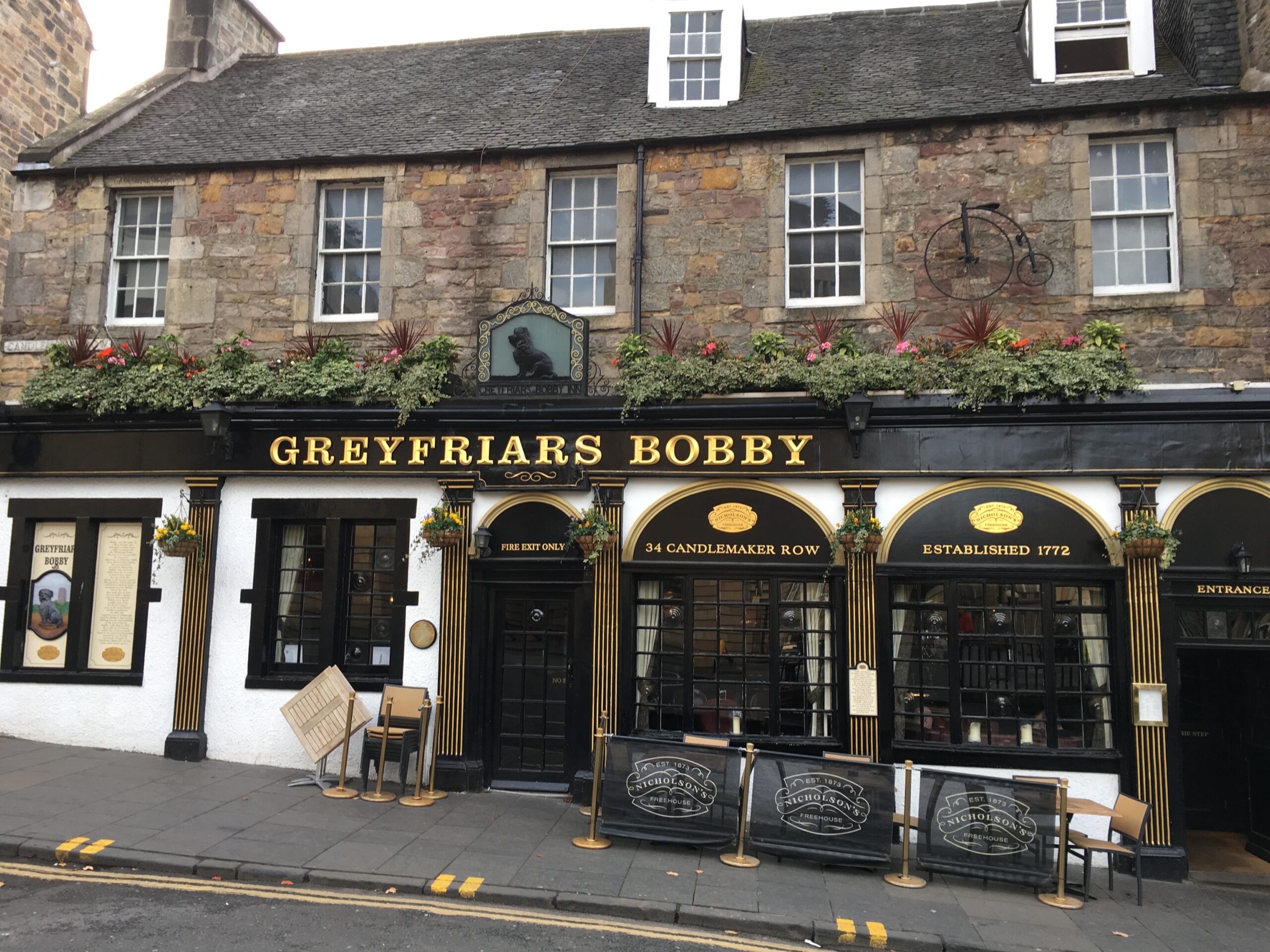
The photos below represent two times we have visited Edinburgh (so far!!). The darker, cloudy images are from Nov. 8 2018, and the bright, sunny photos were from Jun. 26, 2022. If you visit, be sure and enjoy the food and drink! We did 🙂

Edinburgh is a UNESCO World Heritage site, encompassing both the Old Town and New Town. The Edinburgh World Heritage charity is a non-profit organization which “protects and champions this collective identity for current and future generations”.
Practical Information
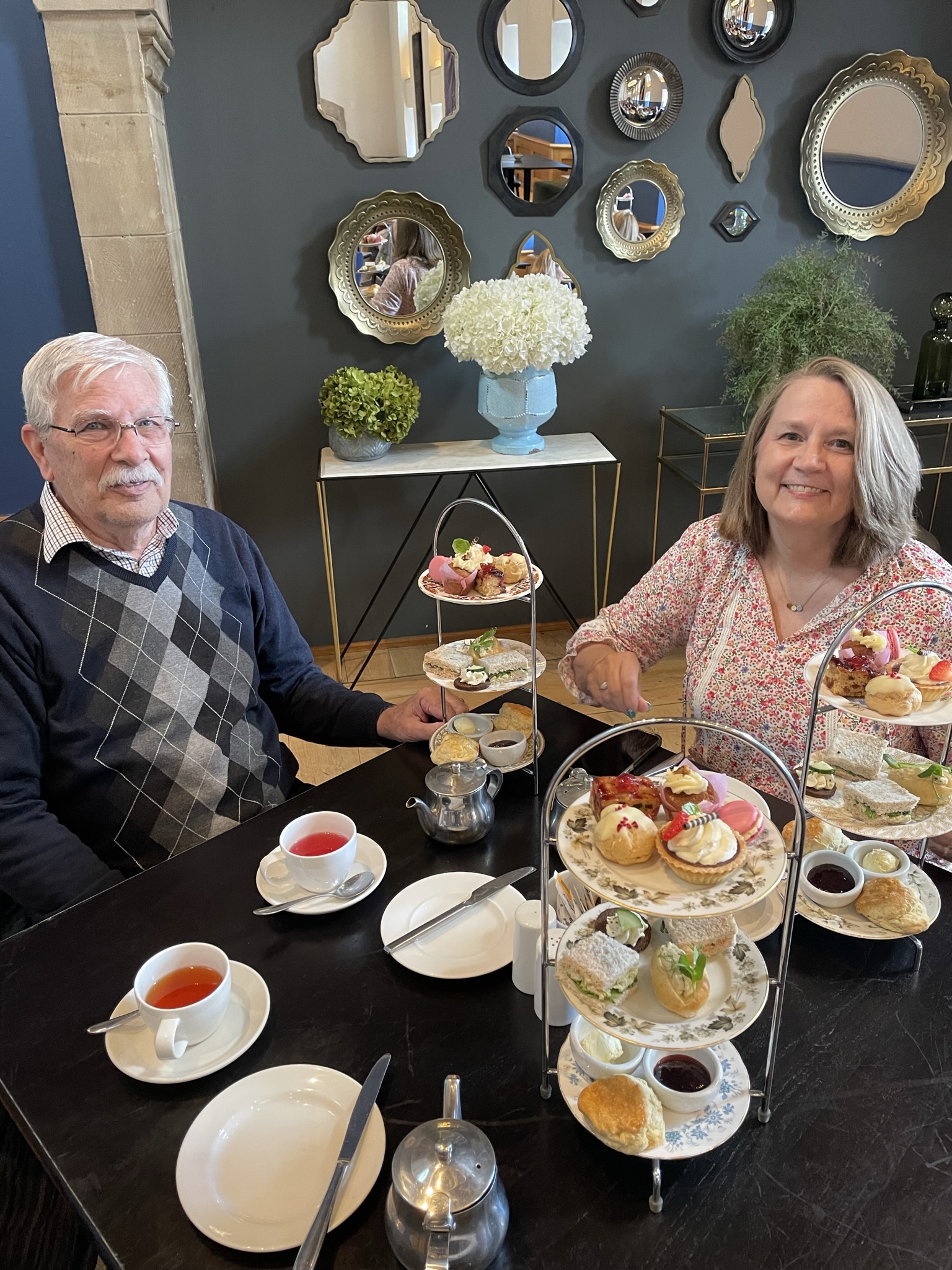
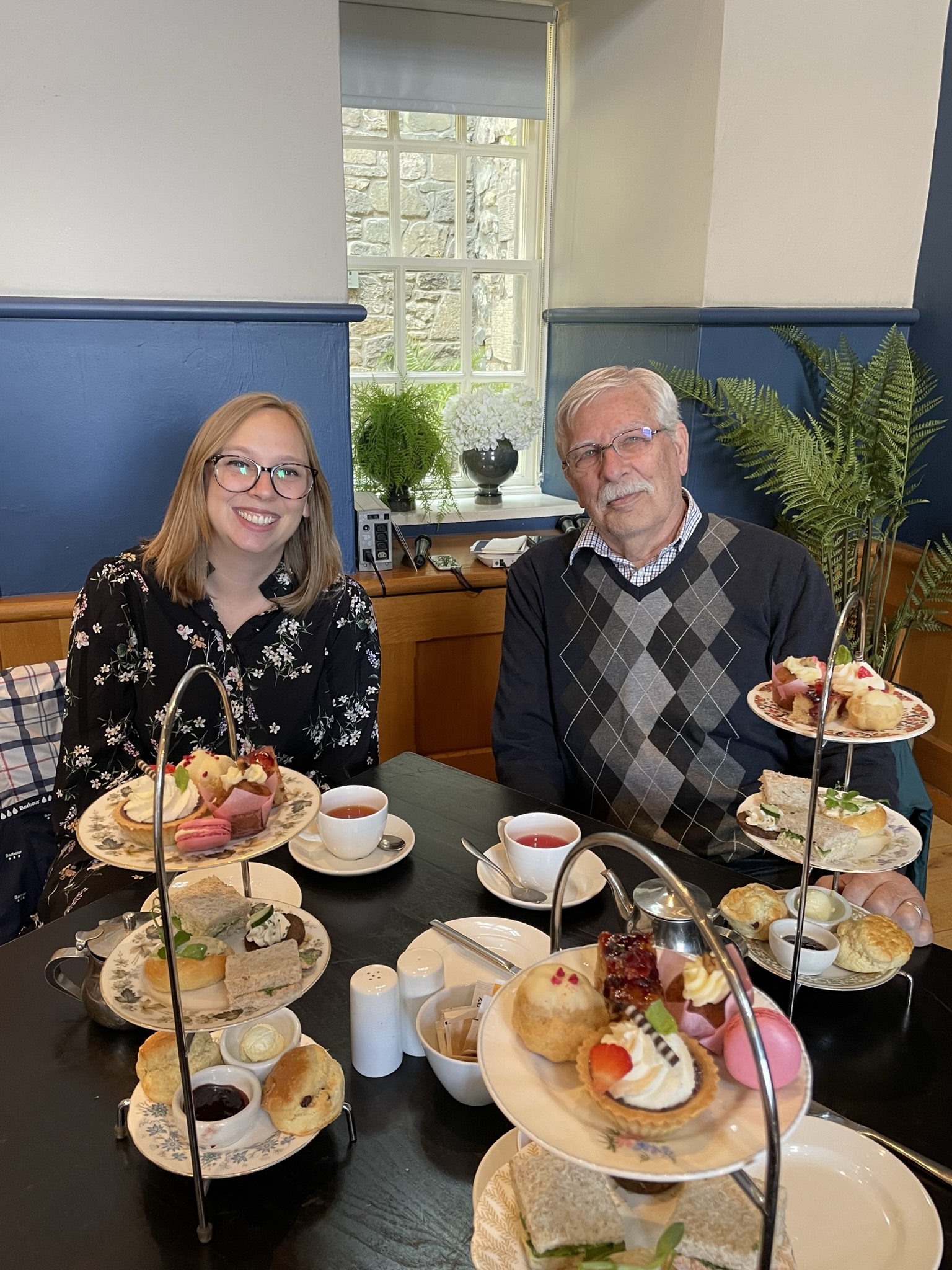
- Edinburgh Pass: Consider purchasing the Edinburgh Pass for access to many of these attractions. The Royal Edinburgh Pass focuses on the Edinburgh Castle, The Palace of Holyroodhouse and The Royal Yacht Britannia, and is valid for 48 hours. While you are at Edinburgh Castle, book an afternoon tea like we did!
- Guided Tours: The city offers excellent walking tours focusing on different historical periods, from medieval history to the Enlightenment. Check Visit Scotland and the Scottish Independent Tour Operators Association sites.
- Festival Season: Be aware that during August, the city hosts several events which makes the attractions much busier than usual:
- the Edinburgh International Festival
- Edinburgh Fringe
- The Royal Edinburgh Tattoo
- And these festivals, the Edinburgh Art Festival, the Edinburgh International Book Festival, and the Edinburgh International Film Festival.
- Weather Considerations: Scotland’s weather is famously changeable. Many of these sites involve outdoor walking, so dress appropriately with waterproof layers.
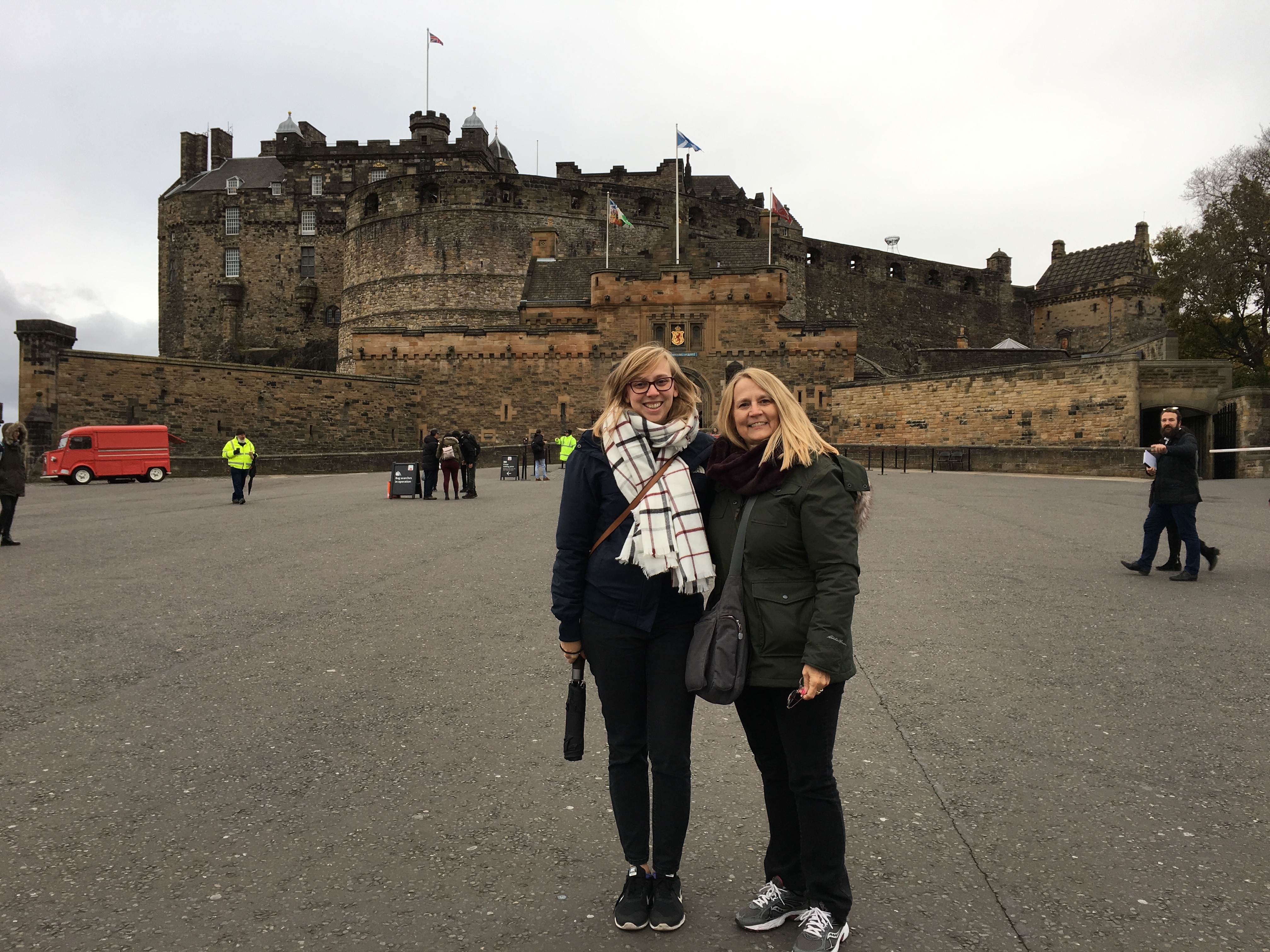

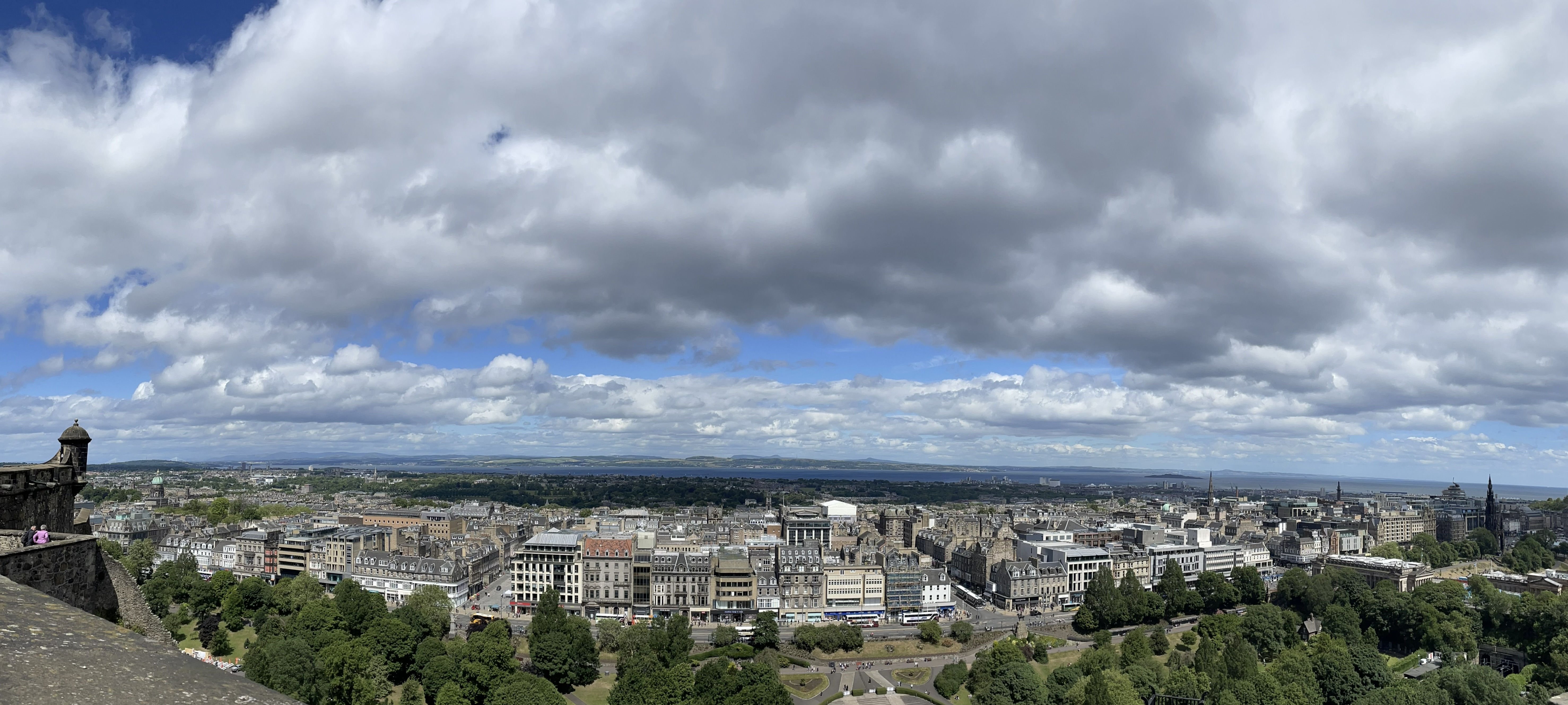
1. Edinburgh Castle
Dominating the city skyline from atop Castle Rock, Edinburgh Castle represents over 900 years of Scottish history. The castle houses the Scottish Crown Jewels (the Honours of Scotland), the Stone of Destiny, the 12th-century St. Margaret’s Chapel (Edinburgh’s oldest building), and the Great Hall of James IV. The cannon above is called Mons Meg and was presented to King James IV in 1456.
Historical Significance: The castle has been a royal residence, military garrison, prison, and fortress throughout its history. It played crucial roles in the Wars of Scottish Independence and the Jacobite risings.
Sources:
- Historic Environment Scotland. Edinburgh Castle.
- Peter Yeoman, Chris Tabraham, Steve Farrar, Andrew Burnet and Sally Gall. Edinburgh Castle: The Official Souvenir Guide.
- Official website: https://www.edinburghcastle.scot/.
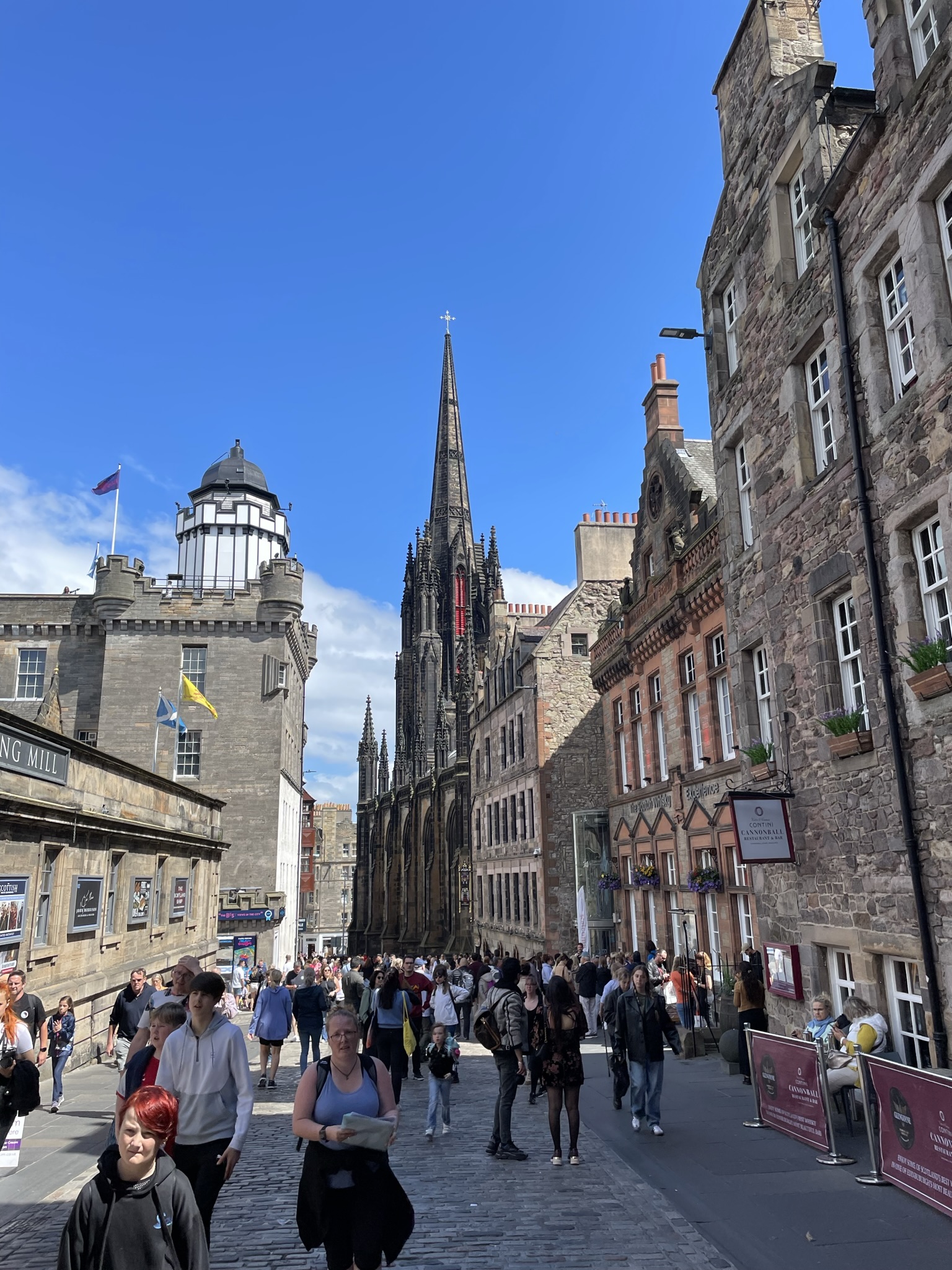
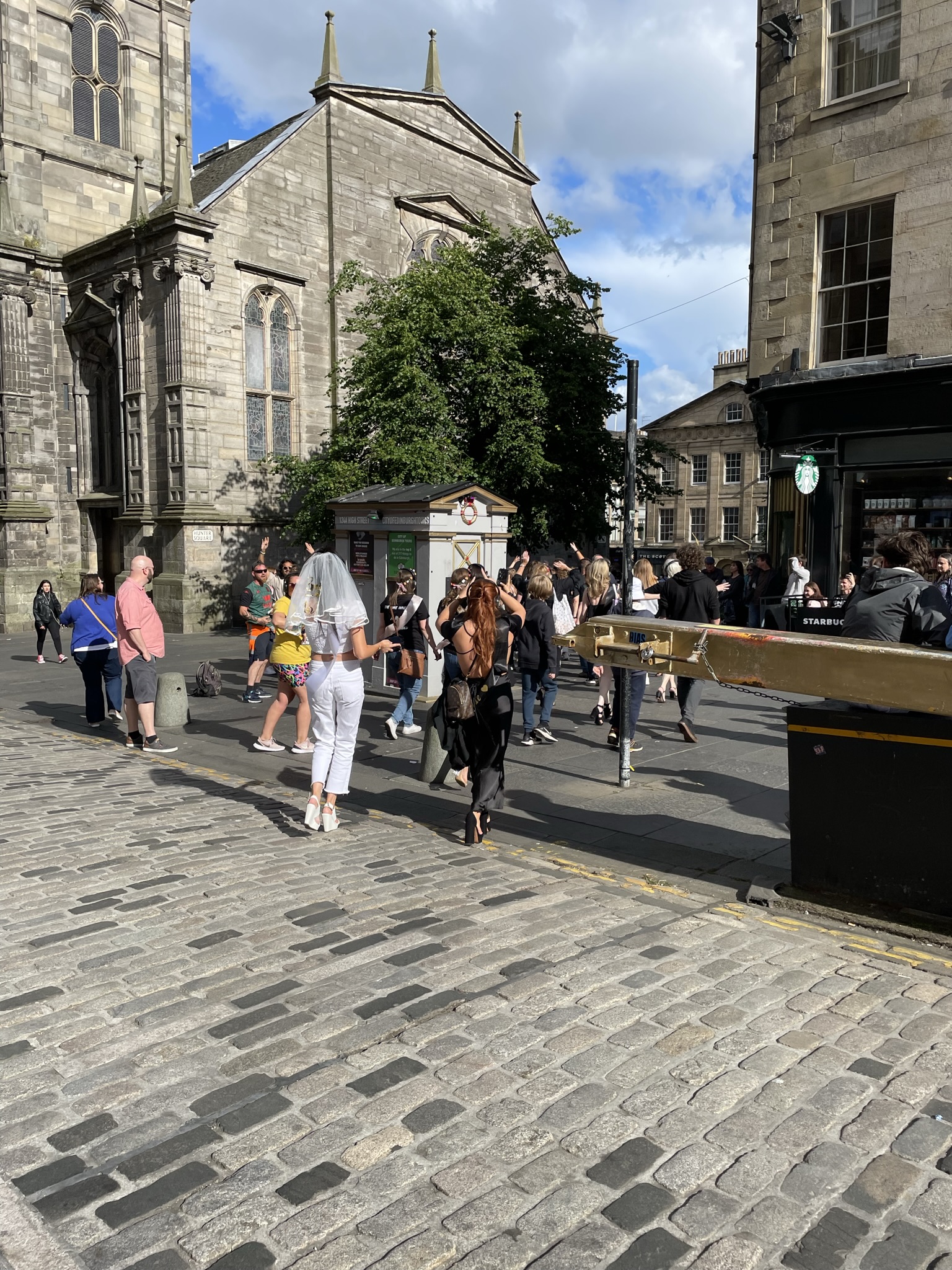
2. The Royal Mile
The Royal Mile is the historic heart of Edinburgh’s Old Town, a succession of streets forming the main thoroughfare connecting Edinburgh Castle with the Palace of Holyroodhouse. Lined with towering tenements, narrow closes (alleyways), historic churches, and centuries-old buildings. The pictures and video above show the festival atmosphere in this part of Edinburgh.
Historical Significance: The preserved medieval street plan showcases the unique architectural development of Edinburgh from the 12th century onward. The closes and wynds (small streets) branching off the main street contain hidden architectural treasures and stories of famous residents.
Sources:
- McKean, Charles. Edinburgh: An Illustrated Architectural Guide. RIAS Publishing, 2019. [via Internet Archive: create and borrow with a free account].
- Youngson, A.J. The Making of Classical Edinburgh. Edinburgh University Press, 2002.
- Visit Scotland. The Royal Mile and Grassmarket.
3. Palace of Holyroodhouse
The official residence of the British monarch in Scotland, Holyroodhouse stands at the eastern end of the Royal Mile. The palace contains the royal apartments, the Great Gallery, and the ruins of the 12th-century Holyrood Abbey.
Historical Significance: Most famously associated with Mary, Queen of Scots, who lived here between 1561-1567. The palace witnessed the murder of Mary’s secretary David Rizzio and many pivotal moments in Scottish royal history. Bonnie Prince Charlie held court here during the 1745 Jacobite Rising.
Sources:
- The Royal Households. Royal Residences: The Palace of Holyroodhouse.
- Visit Scotland. The Palace of Holyroodhouse.
- Royal Collection Trust: https://www.rct.uk/visit/palace-of-holyroodhouse.
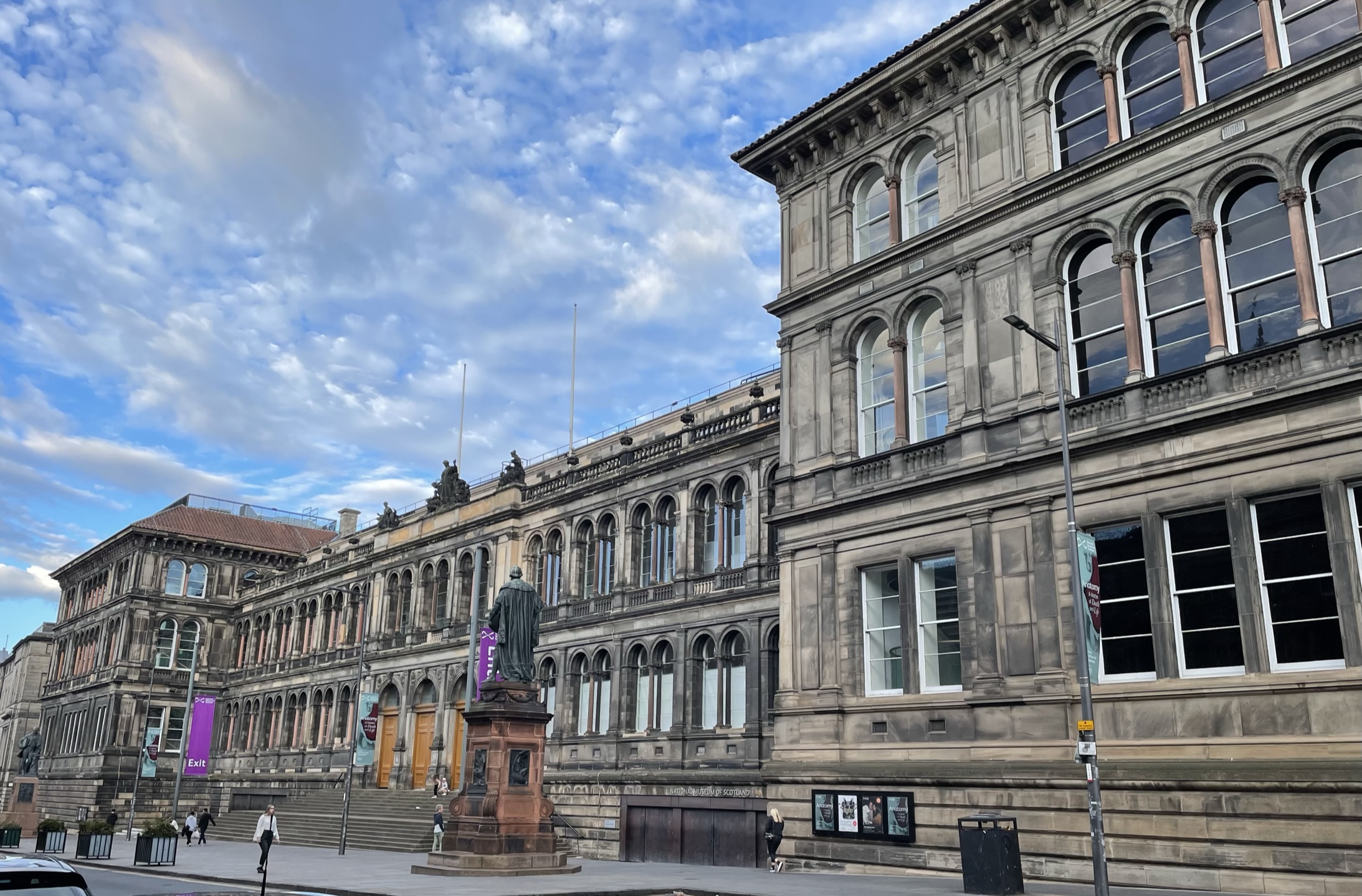
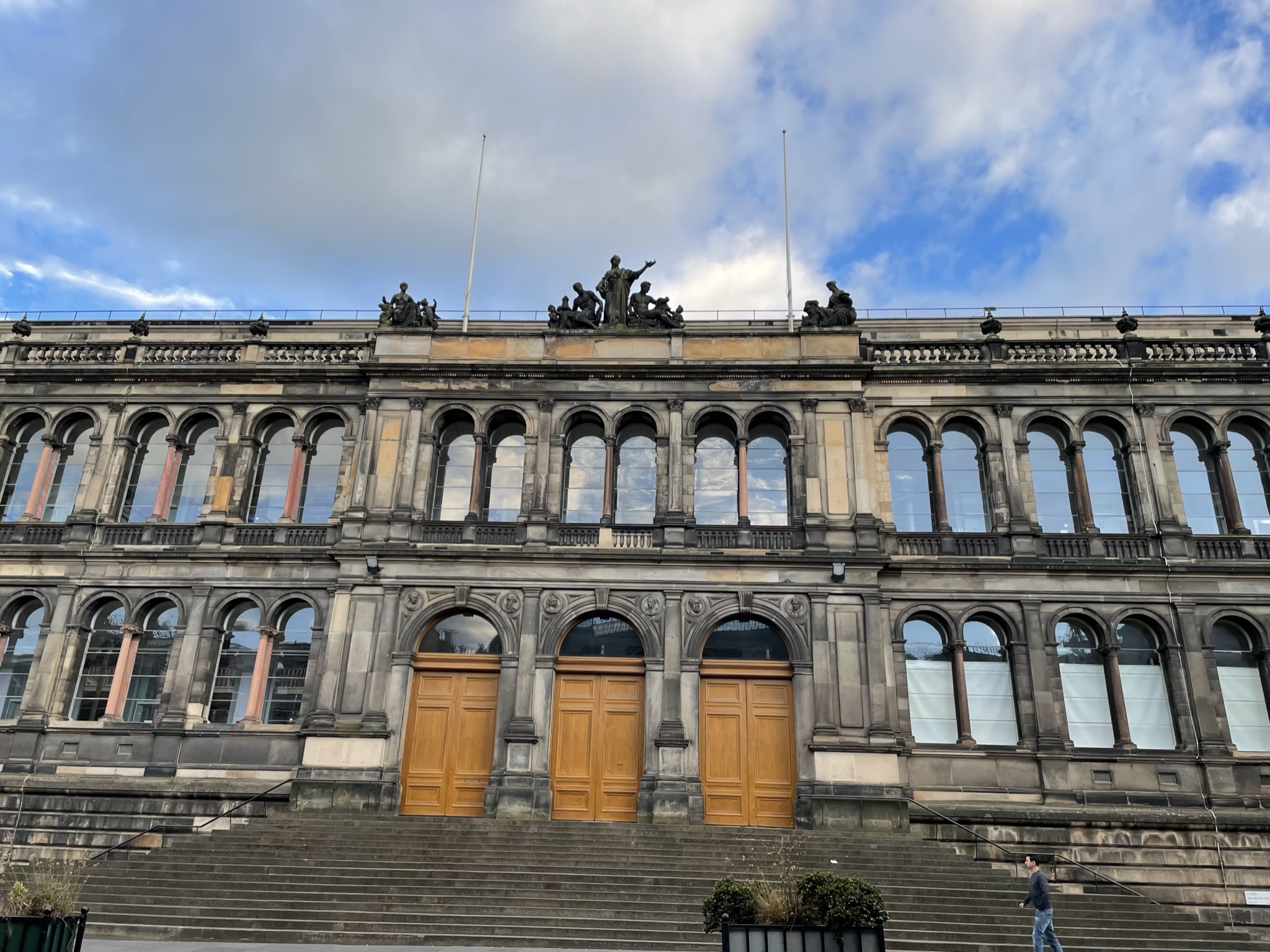
4. National Museum of Scotland
This world-class museum houses collections spanning Scottish archaeology, history, science, technology, natural history, and world cultures. The stunning Victorian grand gallery contrasts beautifully with the modern extension.
Historical Significance: The museum’s Scottish history galleries present the nation’s story from prehistoric times to the present day. Highlights include early medieval treasures like the Monymusk Reliquary, the Lewis Chessmen, and Jacobite memorabilia.
Sources:
- National Museum of Scotland. Blog.
- A History of Scotland in 25 Objects.
- Official website: https://www.nms.ac.uk/national-museum-of-scotland.



5. Greyfriars Kirkyard
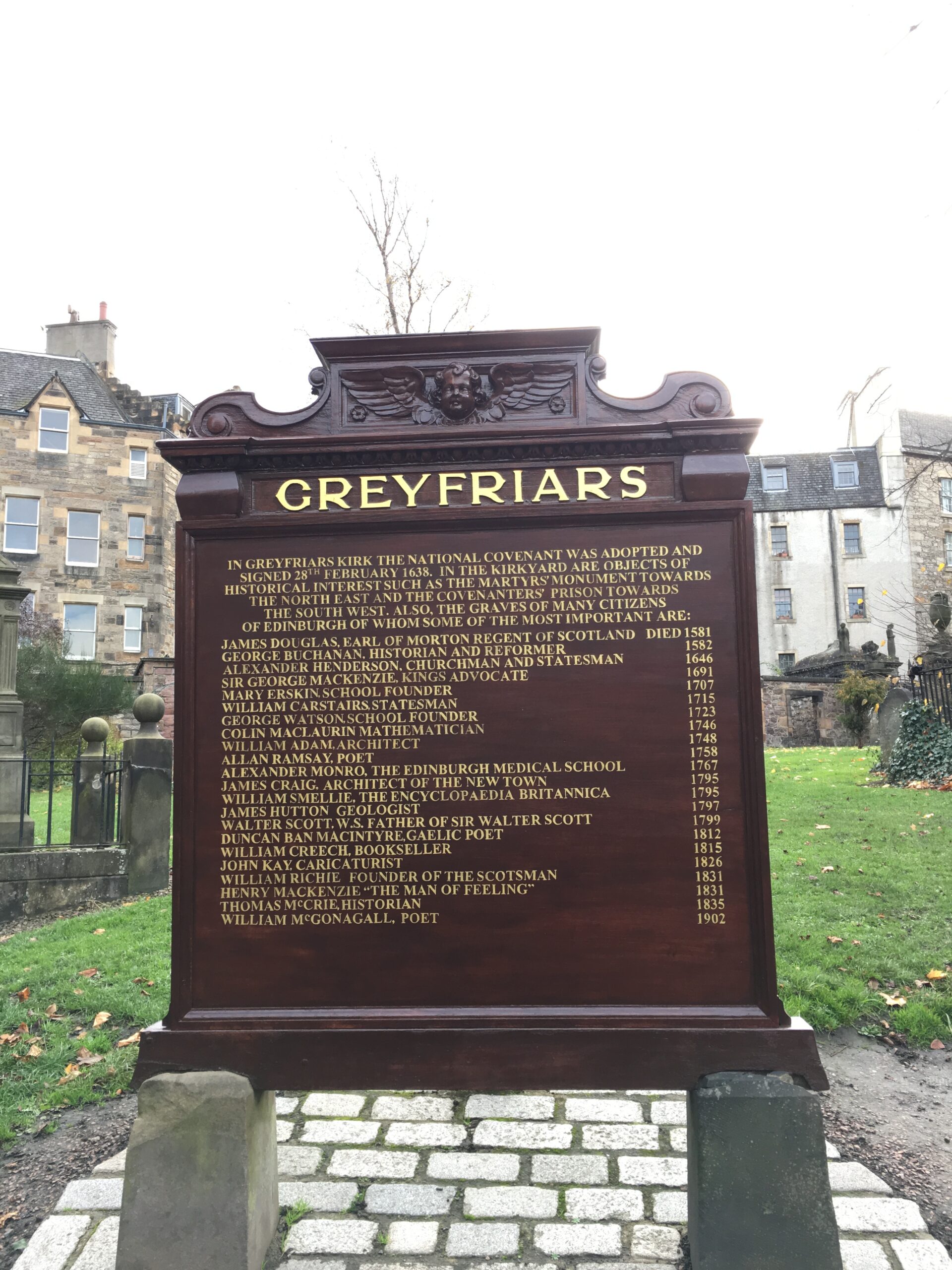
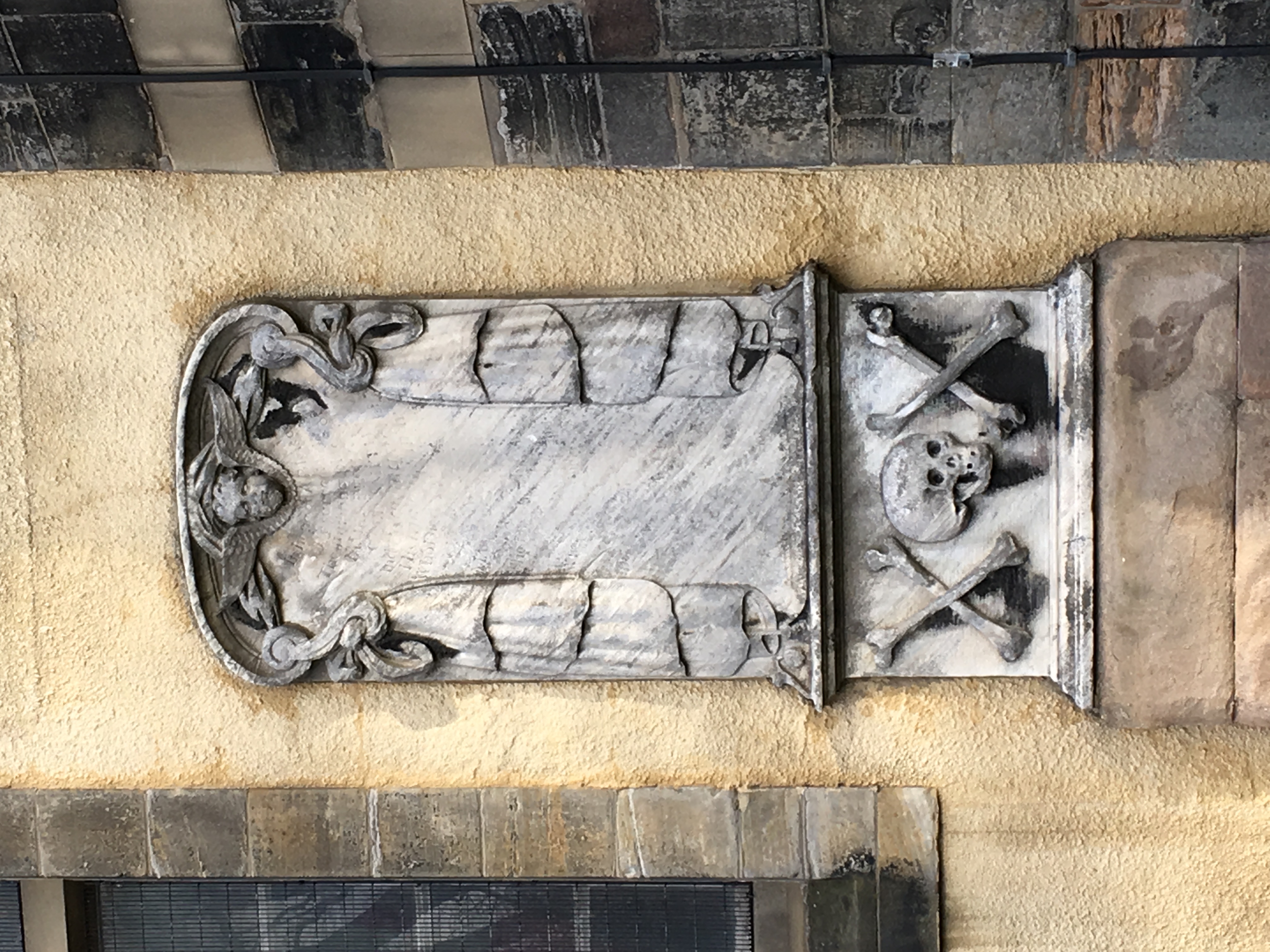
Dating from the late 16th century, this historic graveyard surrounds Greyfriars Kirk and contains monuments to many notable Edinburgh residents from the 17th-19th centuries.
Historical Significance: Greyfriars is famous for the story of Greyfriars Bobby, the loyal dog who guarded his master’s grave for 14 years. It is a local tradition to touch Bobby’s nose to receive good luck, as shown above.
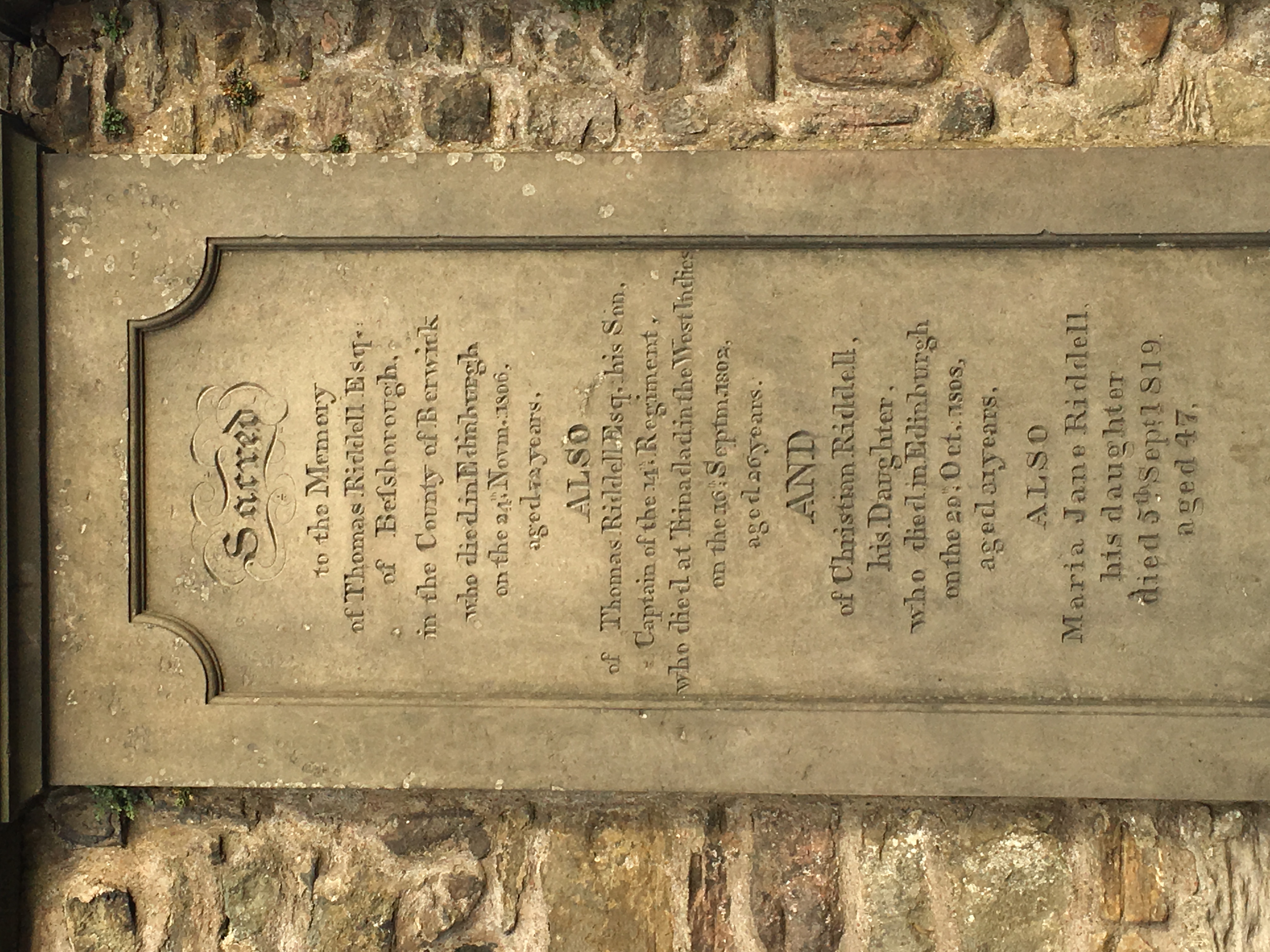
The kirkyard was also the site where the National Covenant was signed in 1638, a key moment in Scottish religious history. The ornate 17th-century funerary monuments showcase exceptional stonework and symbolism. The kirkyard is also where J.K. Rowlings picked up names, like Thomas Riddell above, to use in her Harry Potter books.
Sources:
- Golledge, Charlotte. Greyfriars Graveyard. Amberley Publishing, 2019. [See Google Books’ Preview].
- Chambers, Robert. Traditions of Edinburgh. Edinburgh: W & R Chambers, revised edition, 2011.
- City of Edinburgh Council. Greyfriars Bobby star remembered.
- Greyfriars Kirkyard. Visit the Famous Kirkyard.
6. Real Mary King’s Close
A preserved 17th-century street buried beneath the Royal Exchange building. When the Royal Exchange (now City Chambers) was built in the 1750s, the structures along Mary King’s Close were partially demolished and built over, preserving this slice of Edinburgh’s past.
Historical Significance: Offers unique insight into everyday urban life from the 16th-18th centuries. The close gained notoriety during the plague outbreaks of the 17th century, when many of its residents perished. The preserved rooms and spaces tell stories of the people who once lived and worked here.
Sources:
- B+B Edinburgh. The Real Mary King’s Close.
- Visit Scotland. The Real Mary King’s Close.
- Official website: https://www.realmarykingsclose.com/.
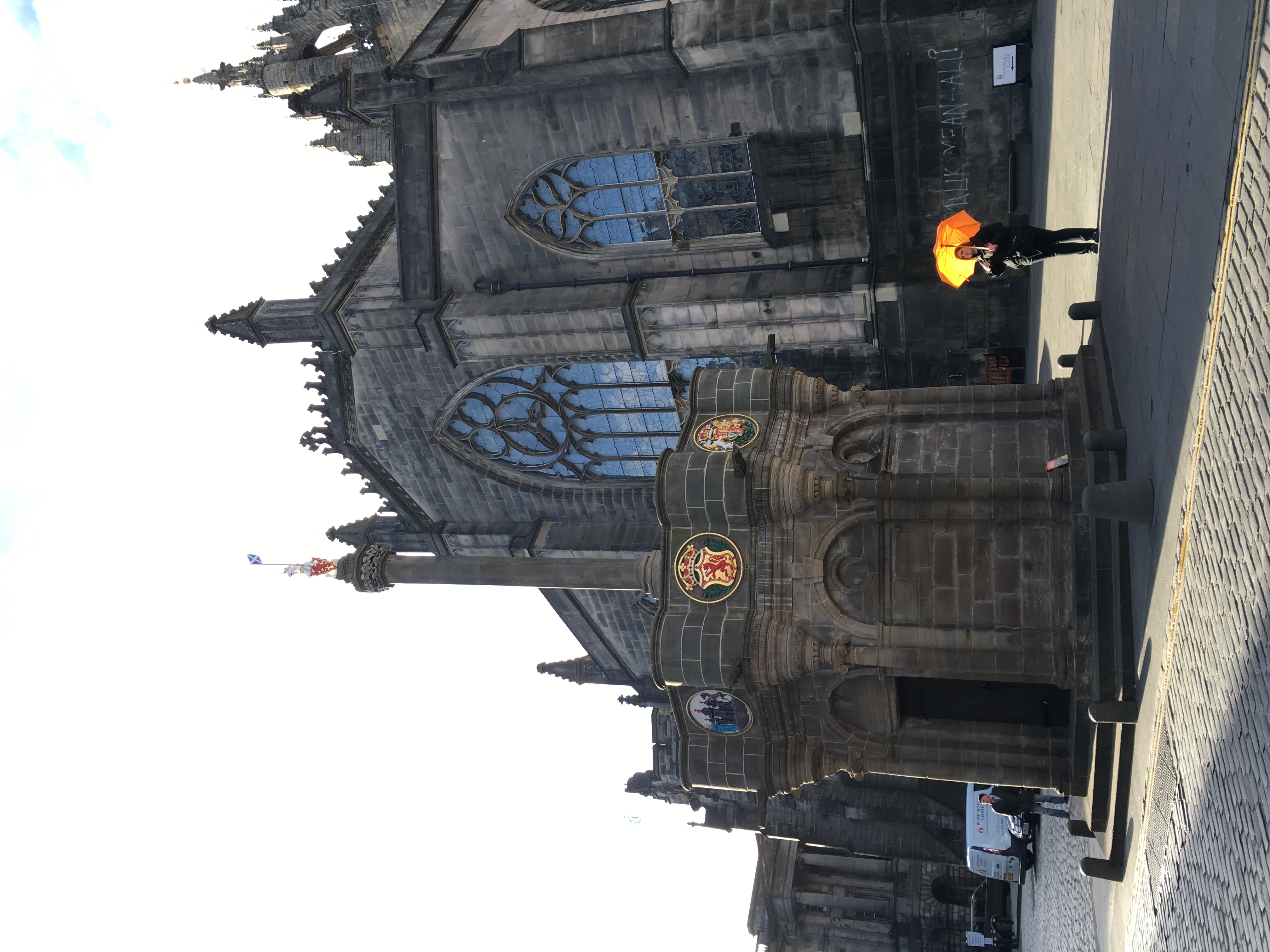
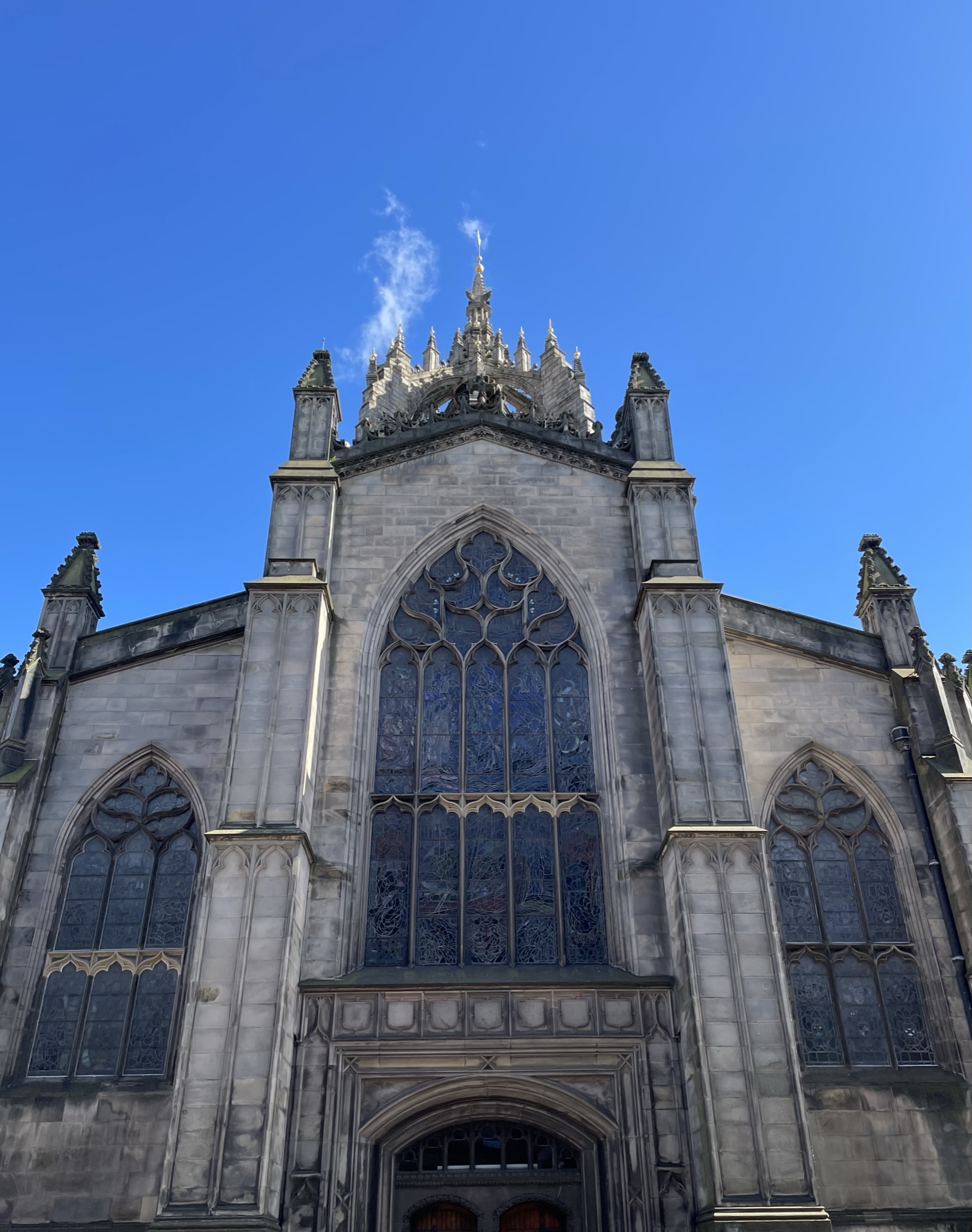
7. St. Giles’ Cathedral
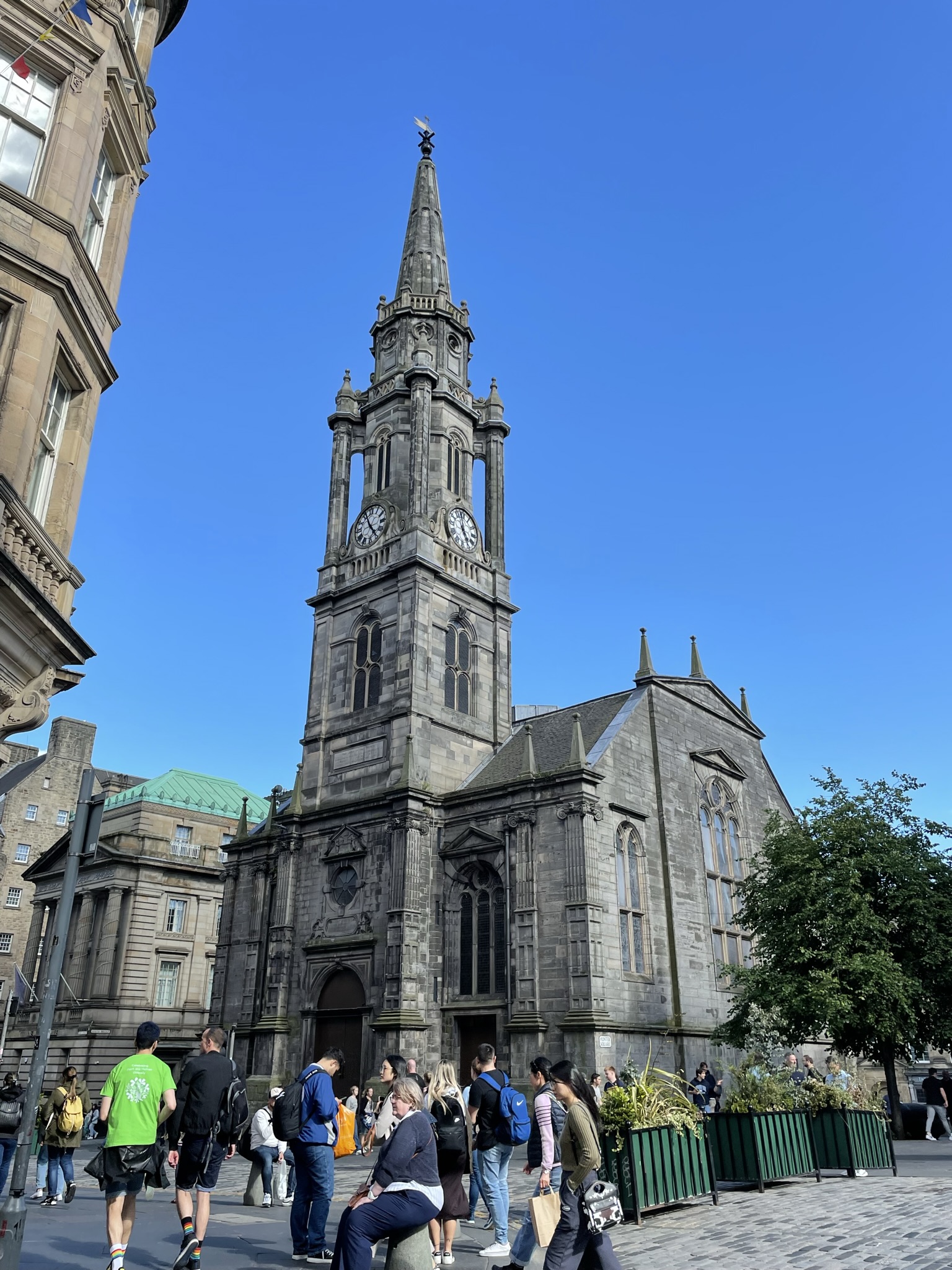
Also known as the High Kirk of Edinburgh, St. Giles’ is a magnificent medieval cathedral dating primarily from the 14th-15th centuries. The distinctive crown spire has been a feature of Edinburgh’s skyline since the early 16th century.
Historical Significance: St. Giles’ was the focal point of the Scottish Reformation, where John Knox served as minister. The Thistle Chapel, shown in the photo in the middle above, was added in 1911 and is a masterpiece of Gothic Revival architecture created for the Knights of the Thistle, Scotland’s highest order of chivalry.
Sources:
- Marshall, Rosalind K. “St Giles’: The Dramatic Story of a Great Church and its People.” Saint Andrew Press, 2009. [via Internet Archive: create and borrow with a free account].
- Historic Environment Scotland. St. Giles’ Cathedral and its Royal history.
- Official website: https://stgilescathedral.org.uk/.
8. John Knox House
One of the oldest buildings on the Royal Mile, dating from the 1470s, this well-preserved townhouse is associated with the controversial Protestant reformer John Knox.
Historical Significance: While debate continues about whether Knox actually lived here, the house exemplifies a wealthy merchant’s home from the 16th century. Its architectural features include a wooden gallery and painted ceiling beams. The museum now tells the story of the Scottish Reformation and Edinburgh’s literary heritage.
Sources:
- Britannica. John Knox: Scottish Religious Leader.
- Edinburgh Tourist. John Knox House.
- Official website: https://www.scottishstorytellingcentre.com/visit/john-knox-house/.
9. The Georgian House
Located in Edinburgh’s New Town, this elegant townhouse at No. 7 Charlotte Square was designed by Robert Adam and completed in 1796. It has been restored and furnished to show how Edinburgh’s wealthy residents lived during the late 18th/early 19th century.
Historical Significance: Represents the northward expansion of Edinburgh during the Enlightenment era when the overcrowded medieval Old Town could no longer contain the city’s growing population. The New Town’s elegant neoclassical architecture reflects the period’s emphasis on order and symmetry.
Sources:
- Visit Scotland. The Georgian House.
- Youngson, A.J. The Making of Classical Edinburgh. Edinburgh University Press, 2002. [via Internet Archive: create and borrow with a free account].
- National Trust for Scotland: https://www.nts.org.uk/visit/places/georgian-house.
10. Gladstone’s Land
One of the oldest buildings on the Royal Mile, this six-story tenement was built in the early 17th century and owned by merchant Thomas Gladstone. Recently restored, it showcases both the commercial and domestic aspects of life in Old Town Edinburgh.
Historical Significance: The building exemplifies the distinctive architectural style of Edinburgh’s Old Town, with its projecting wooden gallery and painted ceiling. It demonstrates how people from different social classes lived in close proximity in Edinburgh’s “lands” (tenements).
Sources:
- Visit Scotland. Gladstone’s Land.
- National Galleries of Scotland. Gladstone’s Land.
- National Trust for Scotland: https://www.nts.org.uk/visit/places/gladstones-land
Other notable historic locations
- Surgeons’ Hall Museums – Housing one of the largest and most historic pathology collections in the UK.
- Dean Village – A peaceful historic milling village just minutes from the city center.
- Craigmillar Castle – Mary Queen of Scots’ “other castle” with extensive ruins to explore.
- Calton Hill – With its collection of historic monuments including the National Monument, often called “Edinburgh’s Disgrace”.
- Arthur’s Seat and Holyrood Park – Ancient volcanic formation with evidence of human settlement dating back thousands of years.